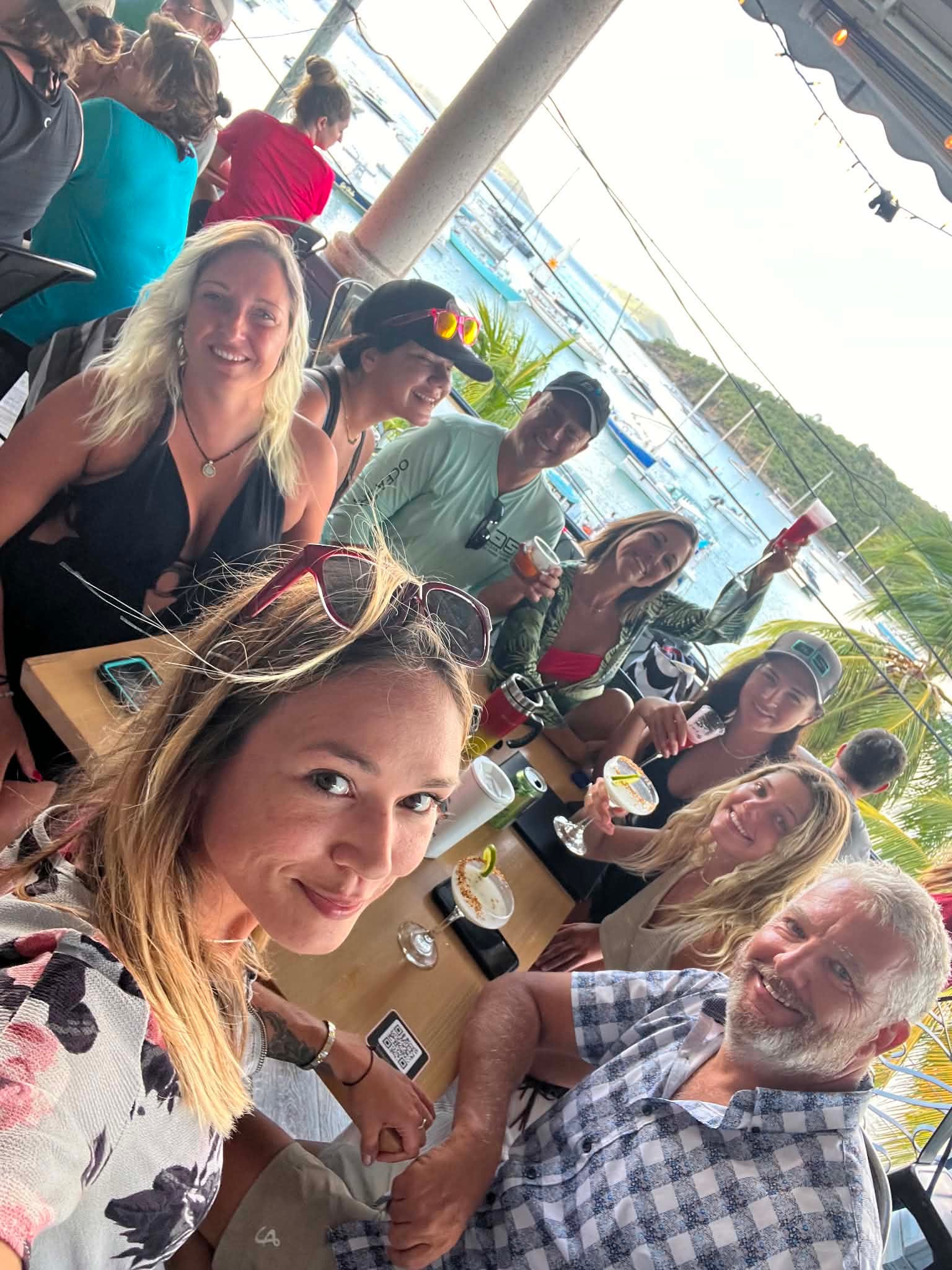
St. Thomas, US Virgin Islands
Back where it all began.

The Danish established a permanent settlement on St. Thomas in 1672, and its protected harbor soon became one of the busiest trading centers in the Caribbean. Charlotte Amalie was originally called Taphus, Danish for “tap house,” a name inspired by the settlement’s many drinking establishments. Apparently, St. Thomas discovered its brand early.
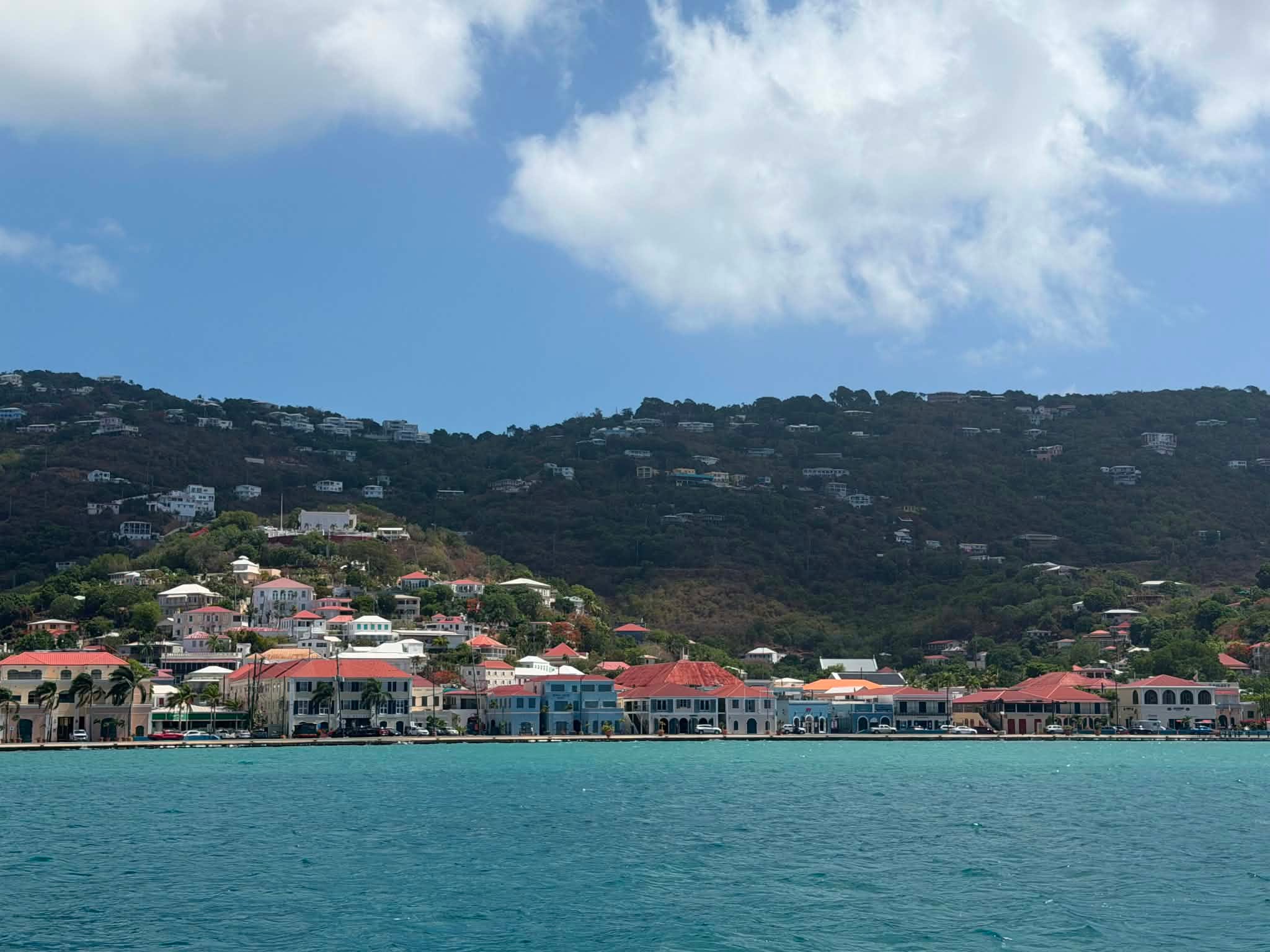
The town was renamed Charlotte Amalie in 1691 in honor of the Danish queen, but commerce remained its true royalty. In 1764, St. Thomas was declared a free port, attracting ships from across Europe, the Americas, and the Caribbean. Warehouses, merchant houses, churches, and narrow streets climbed away from the waterfront, leaving behind the Danish architecture still visible downtown today.
In 1917, during World War I, the United States purchased St. Thomas, St. John, and St. Croix from Denmark for $25 million in gold. The islands became the United States Virgin Islands, and residents were granted U.S. citizenship ten years later. The Danish flag disappeared from the government buildings, but Danish street names, red-tiled roofs, old stone warehouses, and steep stairways remained.
Today, St. Thomas is a curious blend of Caribbean and American life. Cars drive on the left, although nearly all of them were built for driving on the right. You can use U.S. dollars, carry a U.S. phone, and shop at familiar stores, yet still find yourself waiting for a herd of goats to clear the road, and Amazon shipments take over a month. Charlotte Amalie welcomes some of the largest cruise ships in the world, while a few bays away, sailors anchor beneath hillsides that can feel almost untouched.
I first flew to St. Thomas in April 2019 to explore the possibility of running day charters aboard Purrfection. Throughout most of the United States, the Coast Guard limits uninspected passenger vessels to six paying passengers per charter. Six. That’s it. My boat’s registration says she can carry twenty-four. Twenty-four skinny little French people, granted, but still.
The U.S. Virgin Islands has an exemption allowing qualifying boats to carry up to twelve passengers, helping local charter operators compete with those in the neighboring British Virgin Islands. That exemption made St. Thomas one of the few places in the United States where Purrfection could operate closer to her intended capacity—and where the numbers might actually make sense.
Charters come with fixed costs, including fuel and pay for the captain and mate. On a spreadsheet, six-person charters aren’t particularly profitable. An average of eight passengers begins to look acceptable. An average of ten makes you pack your bags and sail for the Caribbean.
Which is exactly what I did.
On Christmas Day 2019, I sailed out of the St. Augustine Inlet, headed south to Miami, and crossed to the Bahamas. From there, I caught five nearly perfect days of wind from the northeast, allowing me to beam-reach all the way to Puerto Rico. Normally, the journey can take more than thirty days, with a series of hops along the coast of the Dominican Republic. Instead, I arrived in St. Thomas on January 10, 2020.
The boat was inspected in the British Virgin Islands in February 2020, and I had charters booked for March. But the world had other plans. COVID-y kinds of plans. The islands, like much of the world, shut down for a while.
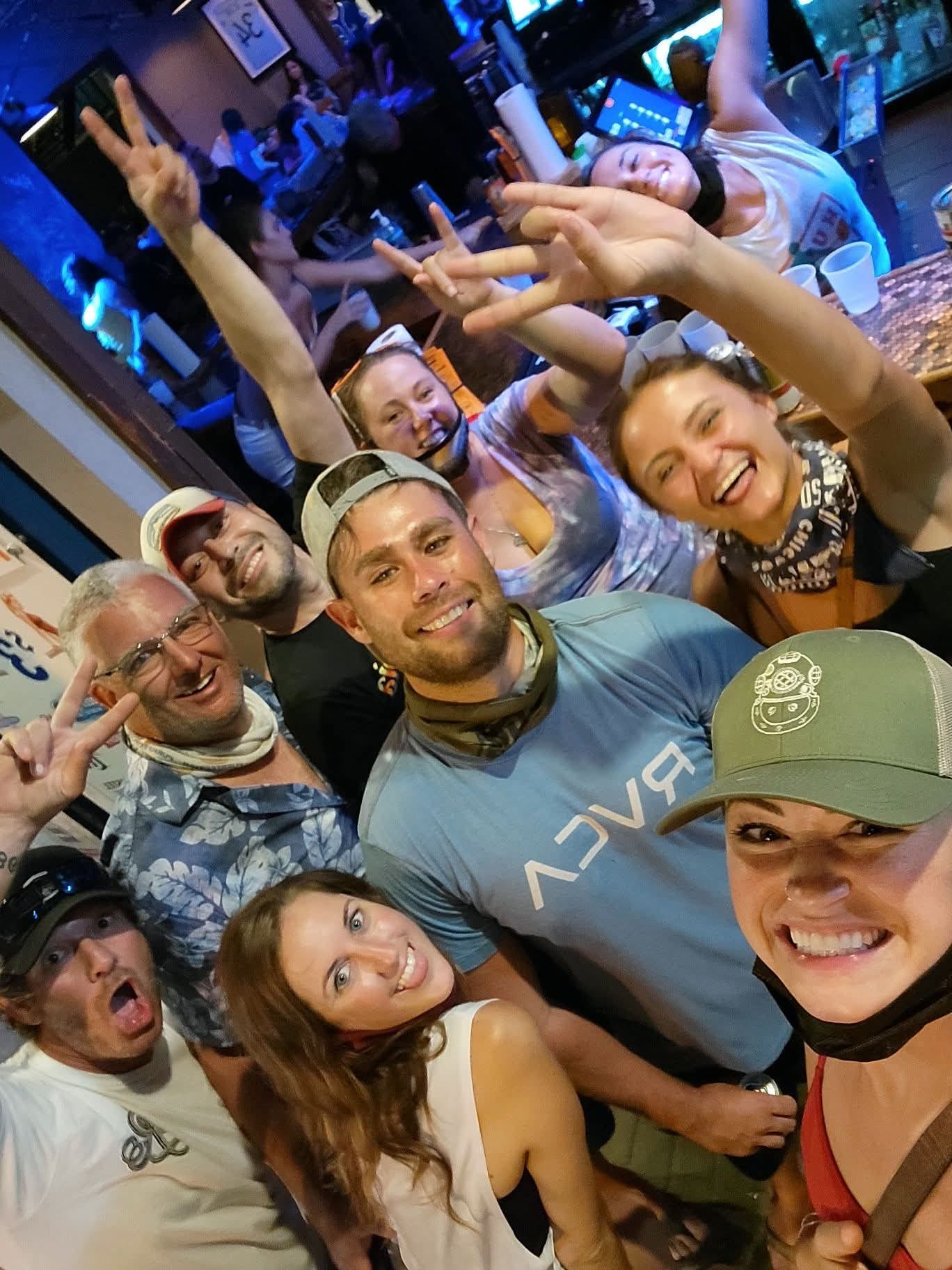
In the months that followed, however, we practically had the islands to ourselves: me and my new island family. With nobody working, we grew close quickly, spending our days together on boats. For about a month, the beaches were closed in an effort to prevent the traditionally large Easter gatherings. So, naturally, everyone with access to a boat simply moved the party offshore.
I ran charters for the next few years, mostly by outsourcing my boat to other captains, which came with its own collection of headaches, far too many to unpack in this particular post. For now, I’ll simply say this: charters look great on a spreadsheet.
Now I’m back in St. Thomas, six years after I first arrived, and something feels different.
I’m not liking the vibe.
First, within twelve hours of returning, I was effectively chased off my own mooring ball by the Parks Department. That’s a long story for another day, but the short version is that a new marina is taking over the mooring field in Red Hook.
Technically, there are hoops I can jump through to keep my mooring. But I’ve been around long enough to know how things tend to work on this island. I might be allowed to keep the ball, but I would lose the right to sell it, with no clear answer about who will maintain it or what it will eventually cost me.
Think of it as joining an HOA where none of the rules are in writing and the fees will be determined later. On an island with Epstein’s former property just offshore, that arrangement doesn’t exactly inspire confidence.
No thanks. I’m out.
Besides, I’m not running day charters anymore, and I’d rather spend my time sailing to other Caribbean islands. No sense enduring all that drama to maintain a mooring ball I probably won’t use and wouldn’t be allowed to sell.
Walking away is the practical decision. It still feels like they’re taking about $5,000 from me.
I paid $2,000 for the mooring and have put roughly another $2,000 into maintaining it since 2020. Today, I could easily sell it for $5,000. Instead, I’m expected to surrender something I paid for and maintained, without compensation.
Call it whatever you like. From where I’m sitting, it feels a lot like stealing.
For now, I’m anchored in downtown Charlotte Amalie and using the dinghy dock at Yacht Haven Grande. It’s not terrible, although the water isn’t nearly as clear as it was out in Vessup Bay.
Tap & Still in Havensite is nearby, along with Dog House when tequila and tater tots seem like a reasonable dinner. Heather (Izzy) works some shifts, so I still get my tequila with just a hint of water and the lime squeezed in. Something is always happening at Box Bar, and R-Bar is right next door. I’m hardly stranded.
But I’m no longer close to the Red Hook happy hours that once became part of my routine. Bud Light Bob and Kevin are still there, but Alli and Heather have moved on to other places. Red Hook is still Red Hook, but it doesn’t quite feel like my Red Hook anymore.
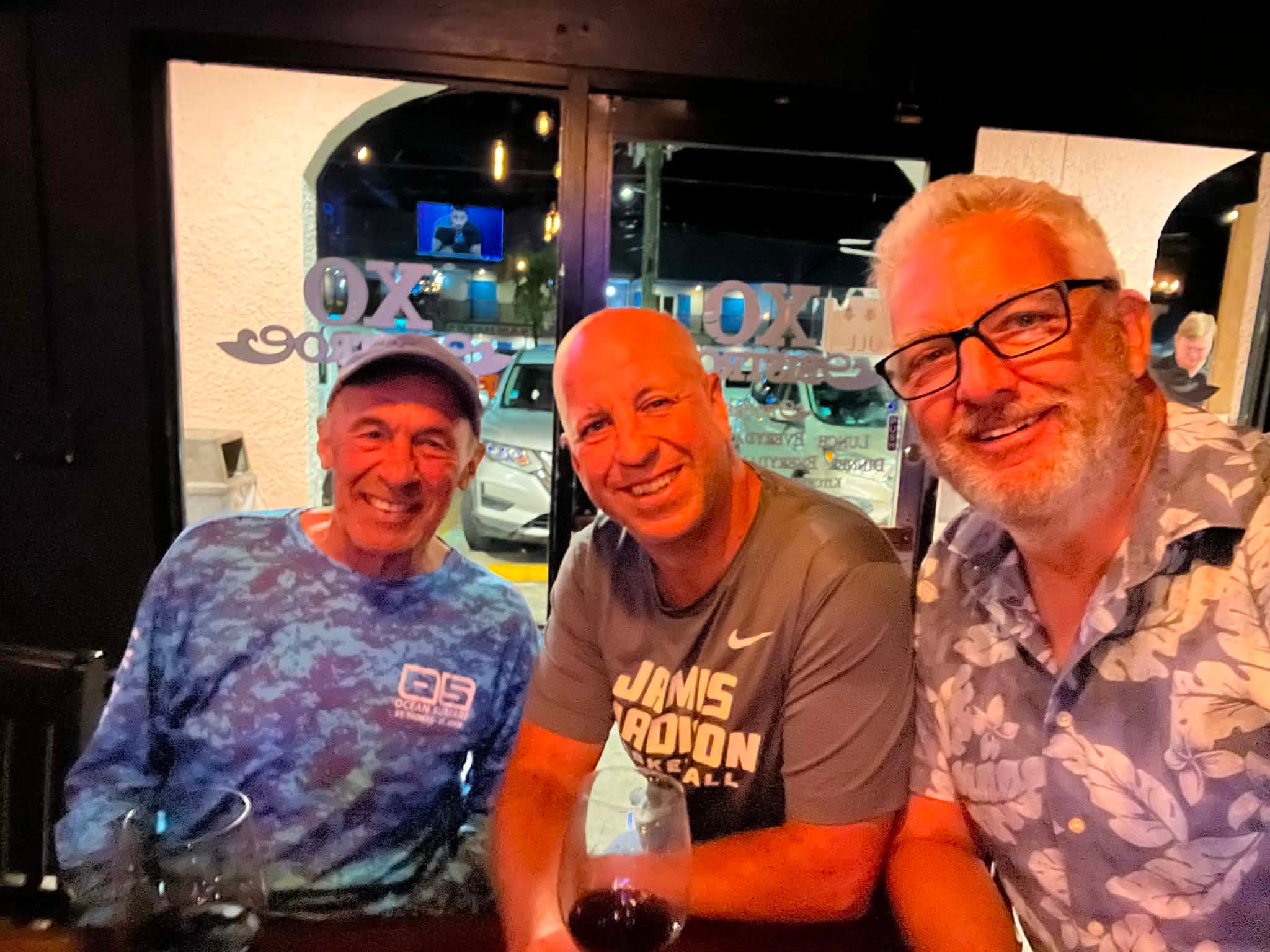
Of course, it’s also six years later. When I arrived, I was fifty-four. I fit in well enough with the younger crowd of day-charter crews and bartenders, and we had one hell of a time together.
Now, closing in on sixty, that same younger crowd tends to grate on my nerves more often than not.
“Hey, you crazy kids, get off my lawn. And stop buying me shots.”
But my island family from six years ago has grown older too, and most of them keep to themselves these days. Ty and Heather now have a three-year-old son, Odin. Tara works and works and works, making it hard to coax her out for a cold one and some reminiscing, let alone keep her out past nine.
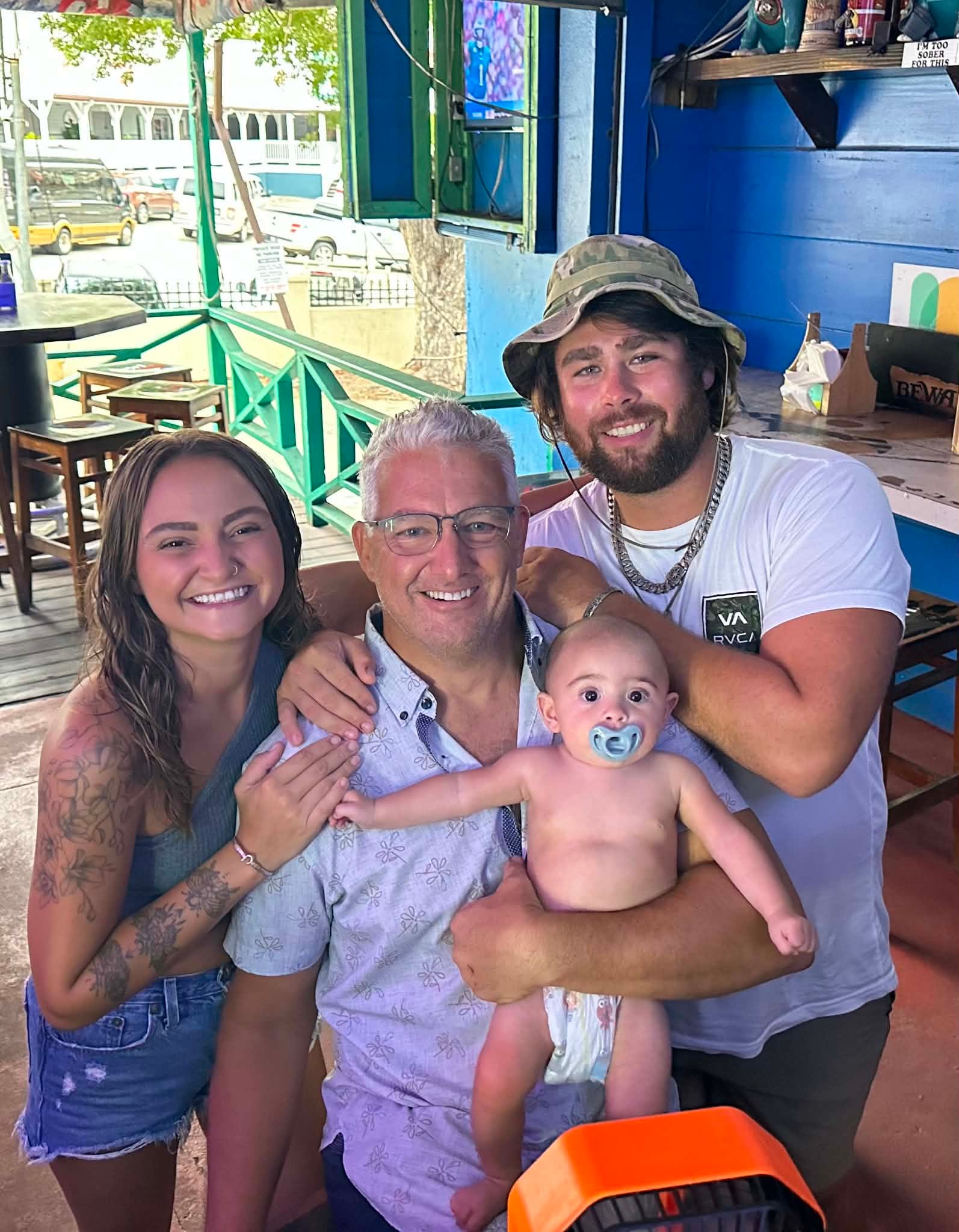
Sam Kruse bought his own sailboat and took it south to Grenada for hurricane season. Kara recently returned from a spring in New England and is busy putting her island life back together. Kahlia is working a lot too, although I’ve managed to catch up with her a few times at Dog House, including watching Australia play in the World Cup.
I’ve run into Mel a handful of times and am always greeted with a big hug, but we’re mostly just passing ships now. We haven’t had a proper night out together since crossing paths in St. Martin a few months ago.
Some good friends have left the island altogether, moving on to whatever came next. Sarah started her own açaí shop in New York. Tessa returned to Hawaii but has since landed in New Orleans. And Alex is now somewhere among the cornfields of Indiana, which might be the furthest a person can get from island life without technically leaving the planet.
It’s about time to leave. I came back to St. Thomas for the physical required to renew my Coast Guard captain’s license, although I’m no longer entirely sure why I’m renewing it. Mostly, I guess, because it’s about to expire and renewing it is what I’m supposed to do.
Before I go, I want to spend some time anchored in Hull Bay, where I can focus on Book Three, which takes place along the north side of the island. Then I’ll sail back to St. Martin before continuing south to St. Lucia for September and October, safely below the worst of hurricane season.
St. Thomas may no longer feel quite like the island home I remember. Then again, perhaps the island hasn’t changed nearly as much as I have.